
Easy Ways to Pick Up Leaves: Simple Methods for a Cleaner Yard
Somewhere in Durham right now, a willow oak is dropping its entire wardrobe onto your lawn, and it has no plans to clean up after itself. Those autumn leaves look great for about nine minutes. But then you're standing in the yard with a rake, wondering how much time it's going to take you to get rid of everything.
There's an easy way to pick up leaves. Well, there are actually multiple methods that won't cost you the weekend or your lower back. As seasoned lawn care contractors in the Triangle, we know them all. And we're passing the best to you. Below are the 6 techniques we recommend, a guide to matching each one to your yard, and a few habits that speed things up.
Get a Free EstimateWhat Is an Easy Way to Pick Up Leaves?
Let's get to the bottom of this first: A rake or leaf blower paired with a tarp is the easiest way to pick up dry leaves. You just have to move the leaves onto the tarp, drag it to your bagging spot, and tip the load straight in. You skip the armfuls, the repeat trips across the lawn, and most of the bending.
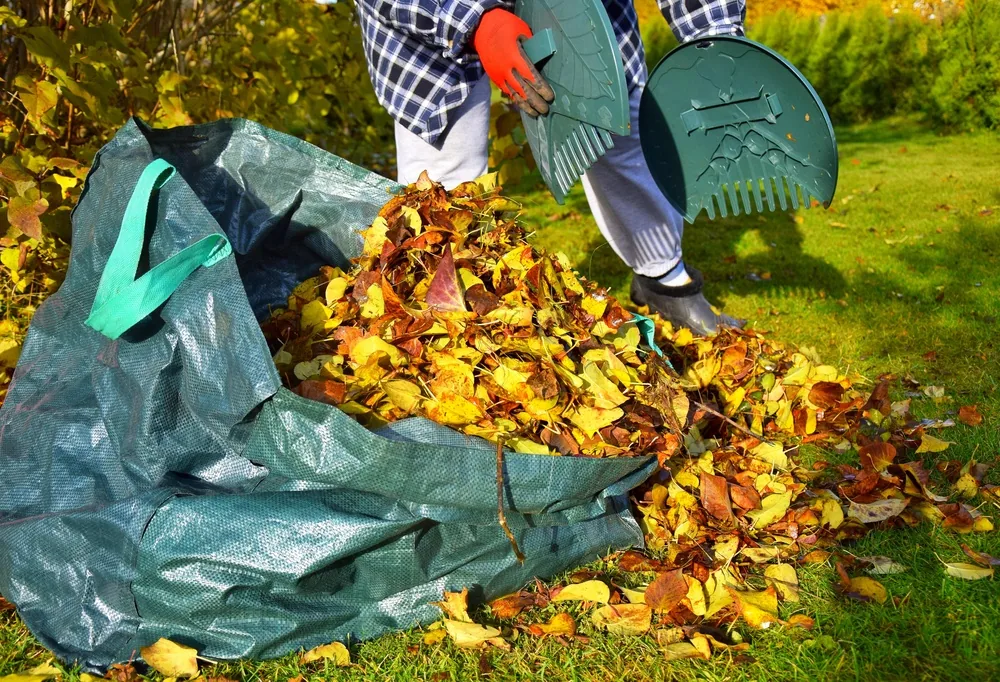
Leaf scoops handle the last step. Think of them as giant salad tongs: squeeze a whole pile, lift, and drop it into the bag.
Collecting isn't the only route, though. And while there is a consensus on the "easiest way to clean fallen leaves," not every single method wins in every yard. Sometimes, you have to adapt. Or go with the technique no other homeowner in your block uses. But if it works for you, it's enough. Continue reading to find out whether piling is for you or if there's an alternative you haven't thought of yet.
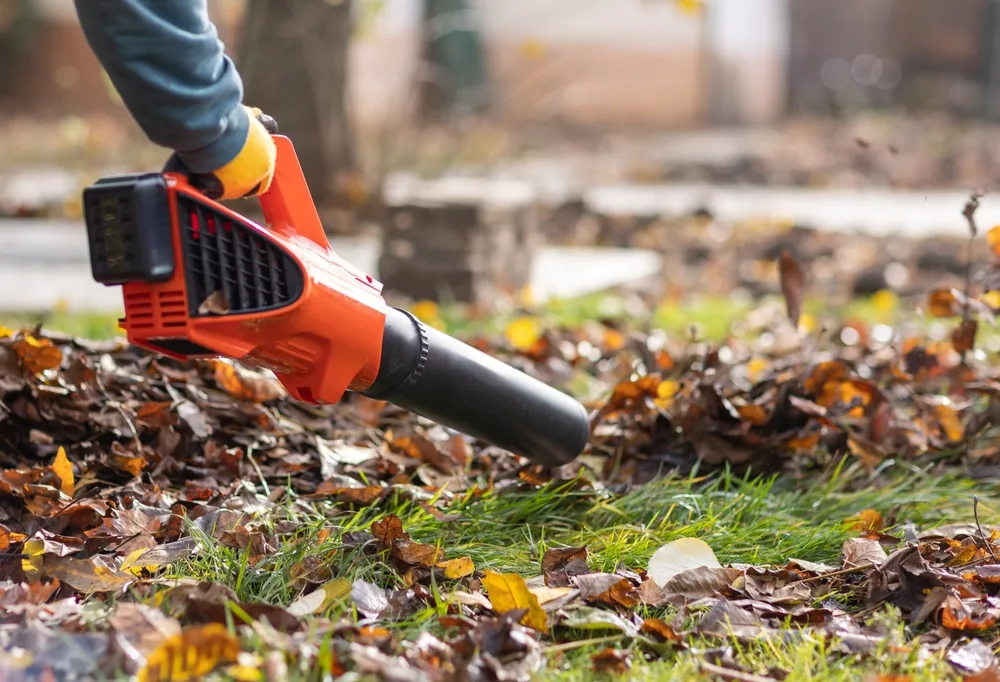
6 Practical Ways to Collect Leaves With Less Effort
Pick one, mix two, or rotate as the season goes. None of these techniques needs special training, and all of them work in Triangle yards.
Rake Leaves Onto a Tarp
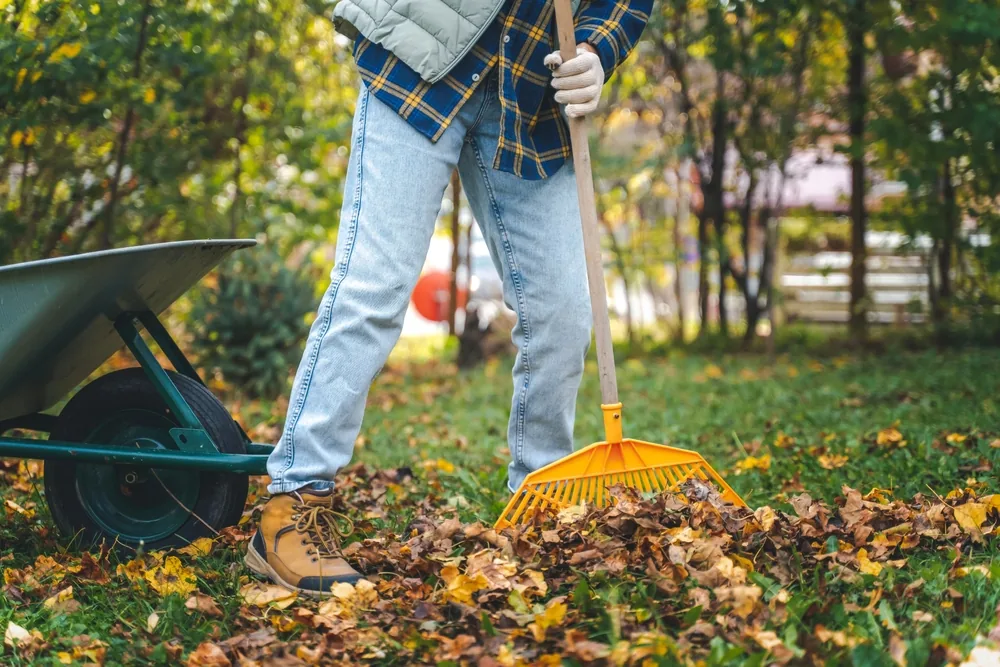
The tarp turns raking into a one-way trip. Lay it flat on the ground at the edge of a section, rake leaves into piles on top of it, then drag the load to your bags. A tarp full of leaves slides across turf.
Start with the right rake. A wide poly leaf rake with flexible tines glides over the lawn, while a stiff metal rake loves to rip it up. If a compost pile waits at the back of the lot, skip the bags and drag the tarp straight there.
Use Leaf Scoops for Bagging
Scoops are the sidekick every tarp deserves. They pinch an entire armload at once, so you fill a bag in a few squeezes. Picking up leaves by hand is slower and rougher on your fingers. Bad knees? Grab the long-handled version and skip the squat.
Pair a Leaf Blower With a Tarp
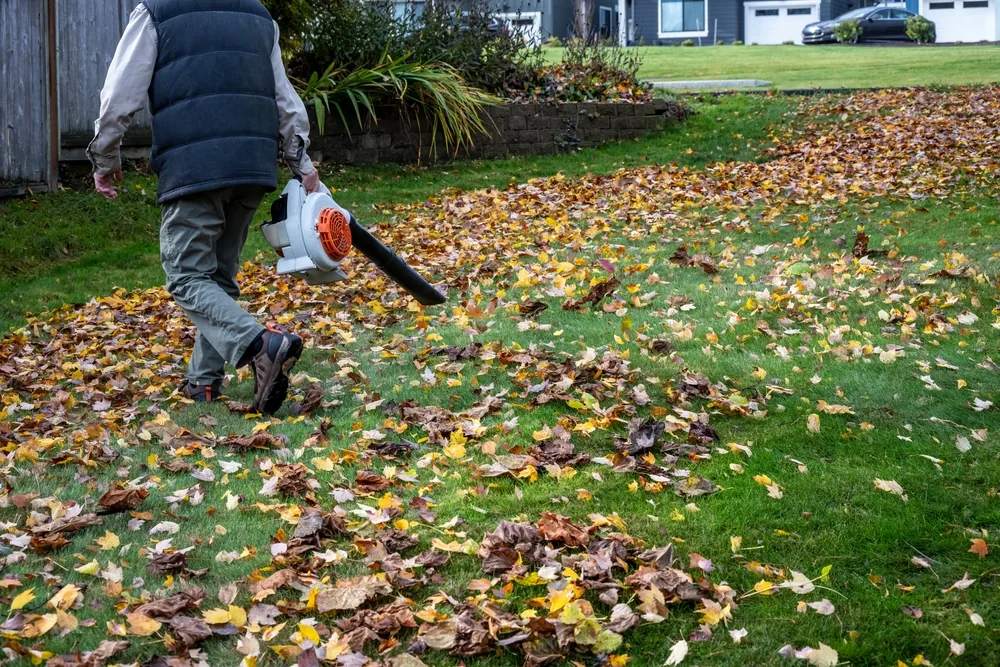
A leaf blower is a rake with a motor and a short temper. It herds leaves across the lawn in minutes, and the tarp waits at the finish line to catch them. In a large yard, that shortcut is the trick under your sleeve. A blower also shoves heavy leaves, like soggy oak, farther than your arms ever will. Electric models run quieter, and a mid-morning start keeps the neighbors happy.
Collect Leaves With a Mulching Mower
A mulching lawn mower chops leaves into flakes that sift down between the grass blades and break down over winter, returning nutrients to the soil along the way. It doesn't work with wet leaves, though (they clog the deck), so wait for a dry day.
Mulching leaves works best when the leaf coverage is light enough that you can still see plenty of grass. Make a second pass at a right angle if chunks remain. But once the grass disappears under the leaves, switch back to collecting.
Try a Leaf Vacuum
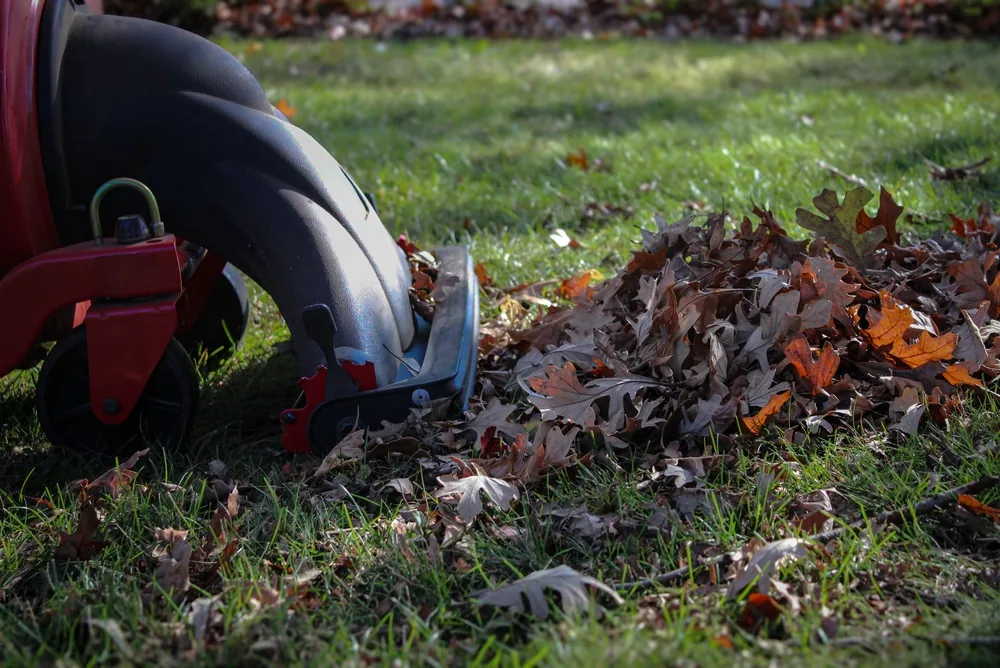
A vacuum swallows leaves and shreds them in the same pass. It's a great alternative in spots where a rake struggles: under bushes, around shrubs, and along fences. If you have a lot of leaves tucked into tight corners, it's worth the investment. It also clears leaves and debris off driveways without scattering them.
Pro Tip: Watch out for sweetgum gumballs, which love to jam the intake.
Use a Lawn Sweeper
A rolling brush flicks leaves into a hopper as you walk the lawn. A sweeper picks up leaves and clippings in neat stripes, but it prefers smooth, flat turf. Slopes and tree roots slow it down, so many yards in Durham still need a second method for the edges.
Choose the Right Method and Tool for Each Part of Your Yard
Different tools fit different corners of the property. Always remember that the best leaf removal method for your open front lawn might not be the best one for the strip beside the porch steps.
Yard area
Best fit
Why it works
Open lawn, light layer
Mulching mower
Chops leaves in place, so nothing needs bagging
Open lawn, thick layer
Blower and tarp
Moves a big volume toward one spot quickly
Smooth, flat turf
Lawn sweeper
Collects in even passes with little effort
Beds, fences, and tight corners
Leaf vacuum or scoops
Reaches spots a rake can't
Patios and walkways
Blower or vacuum
Clears hard surfaces without scattering
Gravel and mulch beds
Soft broom or fan rake
Keeps stones and mulch where they belong
How to Make Leaf Removal Easier From Start to Finish
Even the best way to clean up leaves can disappoint you on a bad day. Might sound surprising, but timing in landscaping and lawn care matters, even when you just have to clean. So follow these leaf cleanup tips to ensure success on the first try.
Choose a Dry, Calm Window
Wet leaves cling together like a soggy blanket. Durham gets plenty of fall rain, so take advantage of the first dry afternoon you see. Check the wind before you start, too, because one stiff gust can undo thirty minutes of raking in about thirty seconds.
Work in Small Sections
Staring at the whole property turns a two-hour job into a dread. It has happened to us, and it can happen to you, too. Our biggest piece of advice on such occasions is to split your yard into sections, finish one, then move on.
Keep Bags Open and Nearby
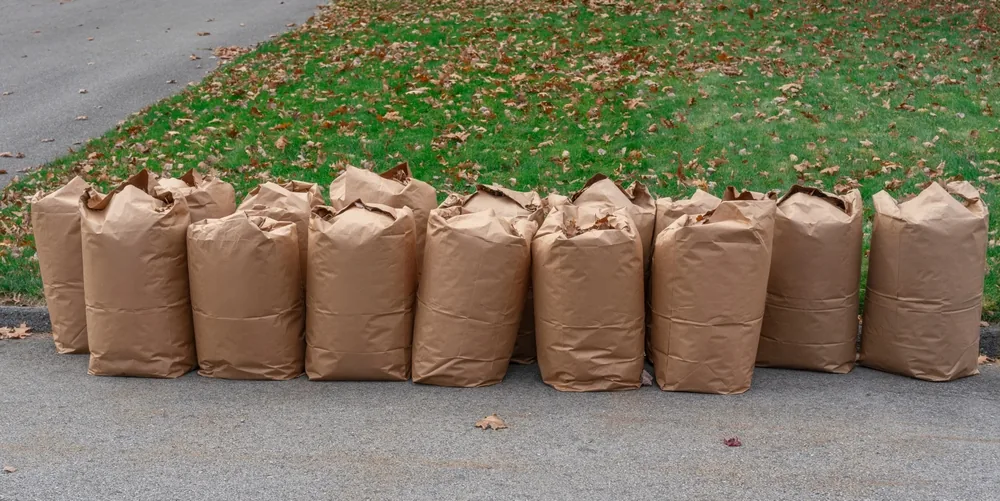
Set out your leaf bags before you rake the first leaf. Because paper bags love to flop over, we recommend ringing the base with a few bricks. And seriously, make this your first step. Fighting a floppy bag with leafy gloves is a special kind of challenge you don't want to take.
Clear Piles Before They Scatter
Bag or tarp each pile as soon as it forms, before a breeze, a squirrel, or an enthusiastic dog finds it. Piles of leaves also smother grass quickly, which matters most on a lawn you recently seeded. If bagging has to wait, stomp the pile flat, cover it, and weigh down the corners. Keep it off storm drains, too.
What Should You Do With Collected Leaves?
Start with Durham's city yard waste program, an optional subscription service. If you're signed up, leaves go in the brown cart, with extra brown paper bags (up to ten per pickup) beside it. Plastic bags don't get collected. Set everything at the curb before your collection day begins, and check the city's yard waste page for current rules.
There's also the option of turning chopped-up leaves into free mulch for your garden. Just spread a layer around trees and perennial plants. That's enough to hold moisture and slow winter weeds. Or build compost. Stack leaves in a compost heap, or fill a compost bin and mix in grass clippings. Broken leaves can turn into crumbly compost by spring.
Frequently Asked Questions
How Can I Pick Up Leaves Without a Rake?
Use a blower, leaf scoops, or your mower instead. A blower herds leaves into a pile, a scoop carries them to the bag, and a mulching blade can chop a light layer with no collecting at all. With no gear on hand, a big sheet of cardboard works surprisingly well as a dustpan.
What Is the Easiest Way to Pick Up Wet Leaves?
Let them dry first if the forecast allows, since wet leaves stick to the lawn and to each other. If you can't wait, work in small loads with a rake and tarp. A blower can loosen the top layer of matted leaves, and then you rake what's left. Watch your footing, too, because wet leaves are slick.
Should I Wait Until All the Leaves Fall?
Don't wait for the last leaf, as early arrivals can bury your grass. Clear the lawn in rounds instead. Start sooner if you seeded this fall. That young grass will struggle under a leaf blanket. Opt for shorter sessions because they feel lighter than a single weekend.
Can a Regular Lawn Mower Pick Up Leaves?
A regular mower handles a light scatter of leaves. With a bagger attached, it collects and chops them into the bag. Without one, it shreds them onto the lawn. Both work best on dry leaves, and a mulching blade chops finer than a standard one.
Do I Need to Remove Every Leaf?
No, perfection isn't really the goal. A thin scatter breaks down and feeds the lawn. A thick blanket hurts grass because it blocks light. Clear the lawn once leaves hide the turf, and leave a few in shrub beds as natural mulch.
Enjoy the Fall Season and Let Martinez Brothers Handle Your Leaf Cleanup
Now you know the easy way to pick up leaves. But the easier option is to hand the job to Martinez Brothers NC Landscaping. We offer leaf removal and yard cleanup through our lawn maintenance plans, so we clear the leaves, haul them, and deliver a landscape ready for winter.
Ready to trade the rake for a porch chair, a hot drink, and a stunning sunset view? Ask for a plan built around your property in Durham, and we'll put our 18+ years of experience to work. Just for you. Get a free estimate now!
Contact Us