
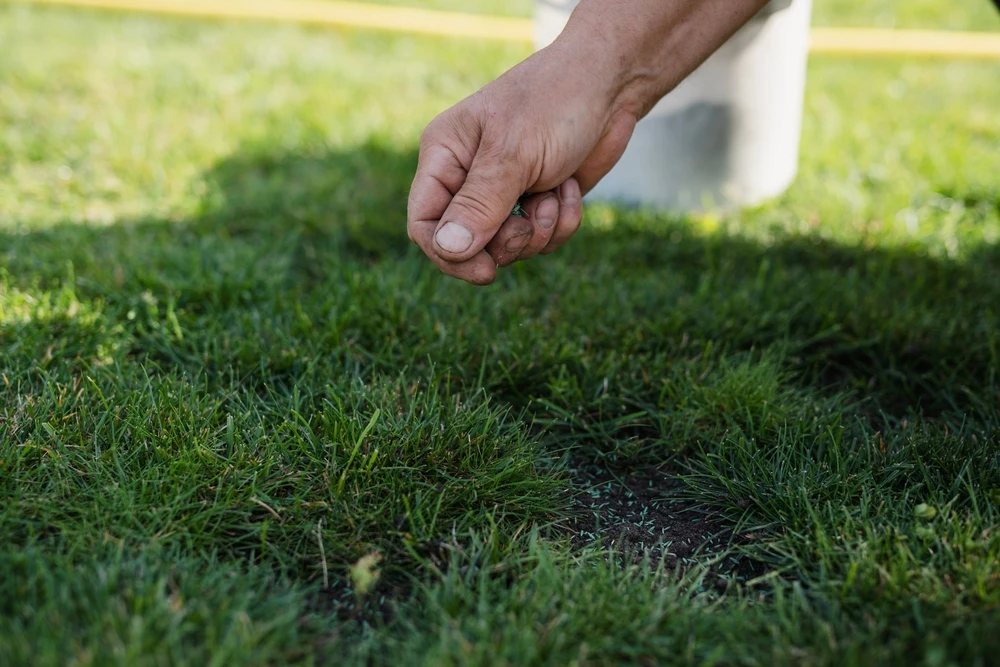
When to Plant Grass in the Fall in Durham, NC
Ask any homeowner in Durham what the yard looks like by late August, and you'll hear the same story: thin patches, faded color, and clay soil packed so hard it looks like brick. That's why knowing when to plant grass in the fall matters so much here.
Time it right and your lawn repairs itself from summer while you're in shorts. Time it wrong, and you stare disappointedly at the dirt until April. So, here we are. Martinez Brothers NC Landscaping has revived countless lawns all over Durham, Hillsborough, and Chapel Hill. We've mastered timing, signs, and maintenance. And we're ready to pass that knowledge onto you.
Why Fall Is the Best Time to Plant Grass in Durham
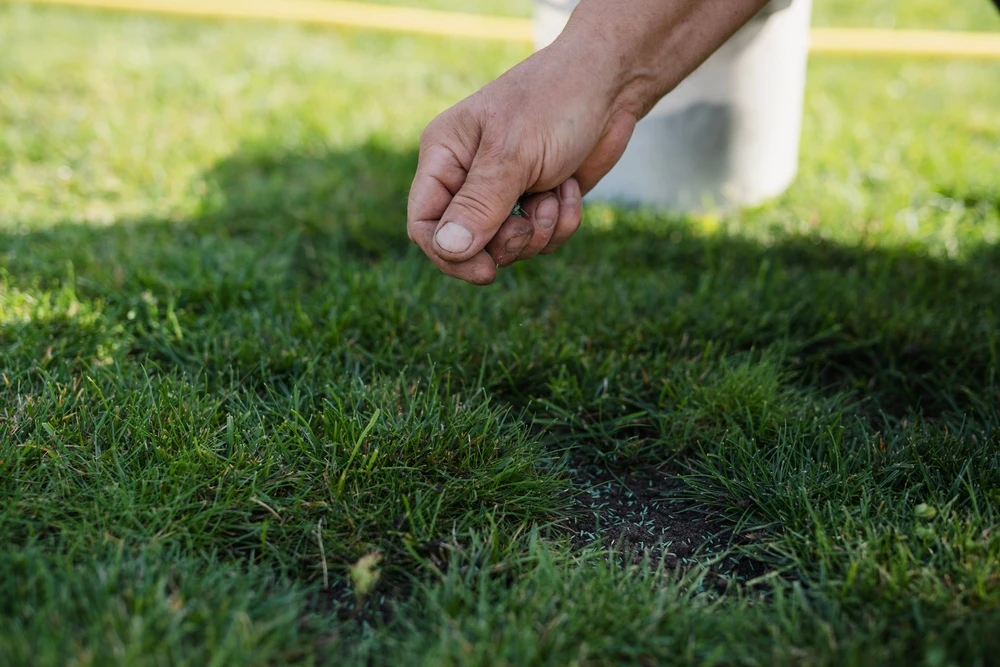
Fall hands your yard a combination spring never offers: soil still warm from months of heat, plus air that has finally cooled. Warm ground speeds up germination, while mild afternoons keep tender grass from cooking before it roots.
Moreover, lawns in Durham lean on cool-season grasses, mostly tall fescue, and autumn is when they grow best. Not to mention that crabgrass and other weeds wind down during this season (so less competition for seedlings!), and steadier rainfall keeps you off hose duty.
That's why, when homeowners ask us every September: Can I plant grass seed in the fall and still see results? The answer is a resounding "Absolutely." In short, the benefits of seeding now show up as deeper roots, denser turf, and a yard that survives next July.
The Best Season to Plant Grass Seed in Durham, NC
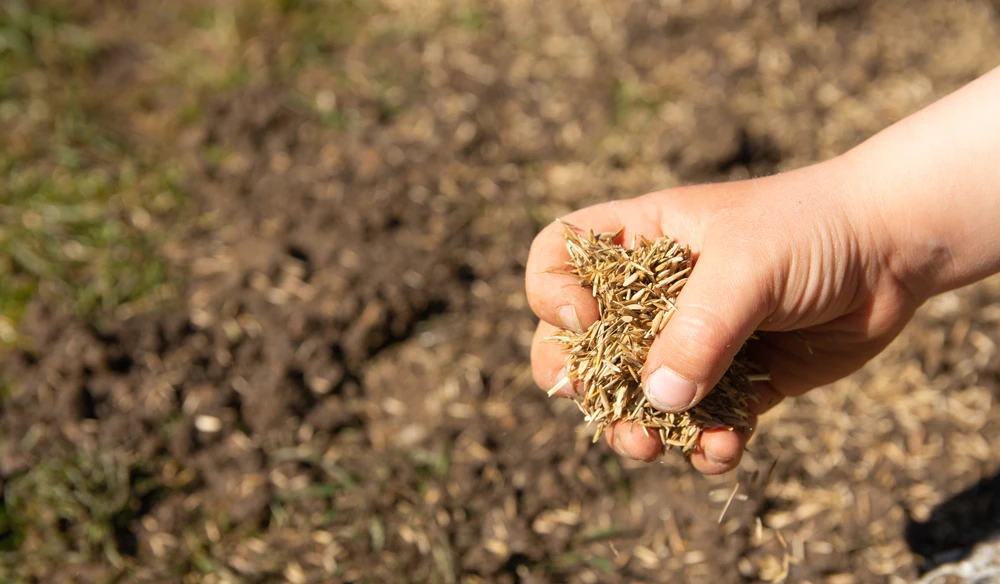
Your target window runs from September first through mid-October, with the first three weeks of September as prime time. Late summer heat breaks, soil temperatures settle into the 60s, and your grass gets six to eight weeks of growth before frost. Your grass type matters, though: cool-season lawns thrive on September seeding, but Bermuda and zoysia prefer late spring.
If you're aiming for early fall seeding, the process we recommend is the following:
- Mow low: Cut to about 2 inches and bag clippings so seeds reach the soil surface.
- Handle soil preparation: Core aerate compacted areas, rake thatch, and loosen any bare soil.
- Use the right seeding rate: Overseeding takes 5 to 6 pounds per 1,000 square feet; bare ground calls for a new lawn rate of 6 to 8 pounds.
- Feed early: A starter fertilizer built for roots fuels seedlings from day one.
- Press it in: Rolling creates seed-to-soil contact, which turns seed into grass.
Signs You Waited Too Long (and What to Do Instead)
There's a real deadline. Once soil temperatures slip under 50 degrees, the seed stops sprouting. That's usually by early November here. If you're still unsure that the time has come already, watch for these signals:
- Daytime highs stay below 60 degrees for a week.
- Frost shows up on your windshield.
- The seed you spread two weeks ago hasn't broken through.
Miss the window? Skip the guesswork. Wait for consistently cold soil, then try dormant seeding: spread seed in December, let it rest through the winter months, and let spring rain wake it up. Less predictable, sure, but it beats spring planting, when heat and crabgrass leave new grass no chance.
What Your Lawn Needs to Succeed After Fall Planting
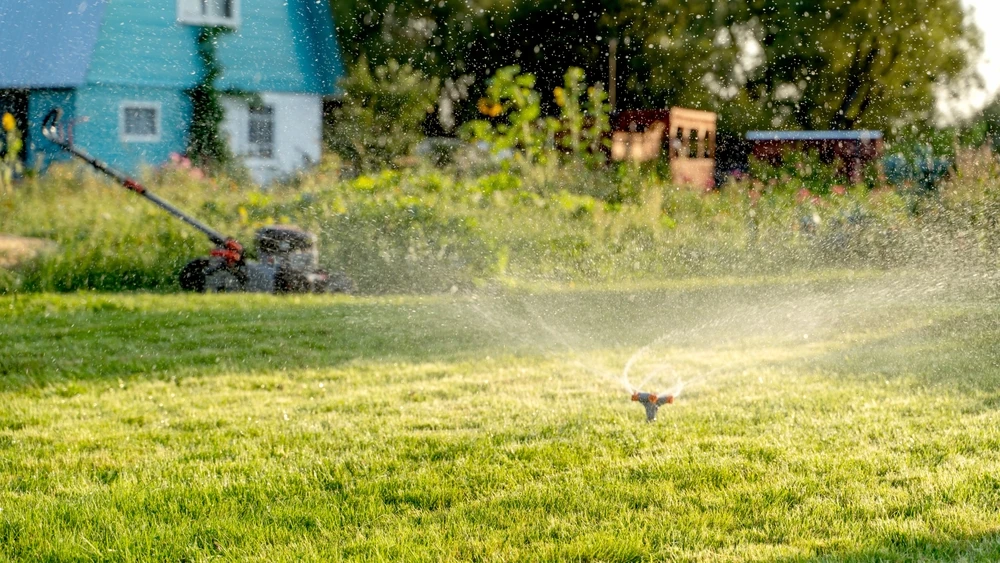
Seed on the ground is only half the job. The lawn care you provide over the next six weeks decides the result: a thick stand or a thin dusting of green.
Keep foot traffic light, since new grass seedlings crumple under cleats, paws, and wheelbarrow tires. Skip broadleaf weed control for eight weeks (most products injure tender growth). The type of leaves that fall on your garden matters too: oak and maple litter smothers seedlings in days, so rake gently rather than running heavy equipment across the entire lawn. Six weeks after your seed sprouts, apply a balanced fertilizer to push root growth before the turf grasses slow down.
Simple Watering and Care Tips for Newly Seeded Lawns
- Days 1 to 14: Water lightly two or three times daily to keep the top inch damp. Soggy soil does more damage than dry ground.
- Days 15 to 30: Drop to once daily, running each cycle longer so roots chase moisture downward.
- After 30 days: Shift to about an inch per week, deep and infrequent.
- First mow: Keep lawn mowers off until blades reach 3 to 3.5 inches, then trim no more than a third. Sharpen the blade first, since a dull one rips young seedlings out by the roots.
What to Expect Next Spring After Fall Lawn Seeding

By March, a fall-seeded yard greens up earlier and thicker than any spring start delivers. Roots that grew through October and November produce a healthy lawn that handles April downpours and June heat.
Set expectations, though. Some thin lawns need a second pass next autumn, especially in deep shade under mature hardwoods. Warm-season turfgrasses like Bermuda still creep through mixed yards once temperatures climb. Still asking yourself, is it good to plant grass seed in the fall? One spring of side-by-side results settles it.
Frequently Asked Questions
What Is the Ideal Temperature for Fall Grass Seeding?
Aim for soil between 60 and 70 degrees, with daytime air in the 68 to 77 degree range. In Durham, that combination arrives in September. Once soil temperature drops below 50 degrees, seeds sit dormant instead of sprouting, so the earlier, the better.
Can I Just Throw Grass Seed Down in the Fall?
Technically, you can, but the results will disappoint you. Seed that lands on thatch or hard clay never touches the ground. Most of it ends up as bird food. That's why we recommend aerating or raking the surface first, spreading evenly, then watering consistently.
What Is the Right Seed to Plant in the Fall?
Wondering what grass seed to plant in the fall around Durham? Tall fescue comes out on top for heat and drought tolerance. Some seed mixes add Kentucky bluegrass for self-repair or perennial ryegrass for fast cover. We can give you a more precise recommendation during a consultation.
How Late Can Grass Be Planted in the Fall?
Mid-October marks the practical deadline for tall fescue in the Triangle. Seed planted later may sprout if you're lucky, but the roots rarely develop enough to survive winter freezing and thawing. Past early November, wait for a dormant application or plan for next autumn.
What Are Common Overseeding Mistakes?
The usual culprits: seeding too late, skipping aeration, burying seed under fallen leaves, letting the seedbed dry out at midday, mowing too early, and spraying weed killer too soon. Each one cuts your sprouting rate and leaves you a patchy spring.
Should I Water the Soil Immediately After Putting Grass Seed Down?
Yes. Water right after spreading to settle every seed against the dirt, then keep the top inch damp for two weeks. Light and frequent works better than long and heavy, which floats seeds into low spots.
Let Martinez Brothers Handle Your Fall Lawn Renovation
Knowing when to plant grass in the fall is one thing. Finding a free Saturday, renting an aerator, and hauling seed bags is another. Martinez Brothers NC Landscaping takes the whole job off your hands, from core aeration and seeding to fertilization and irrigation, backed by 18+ years of caring for residential, HOA, and commercial lawns, and 1,000+ projects.
We serve homeowners, HOAs, and businesses in Durham, Chapel Hill, and Hillsborough. Request your free estimate now, and let's get your yard seeded before the window closes. Come spring, the grass really will be greener on your side.